Skip to content


Bambu ASA Aero


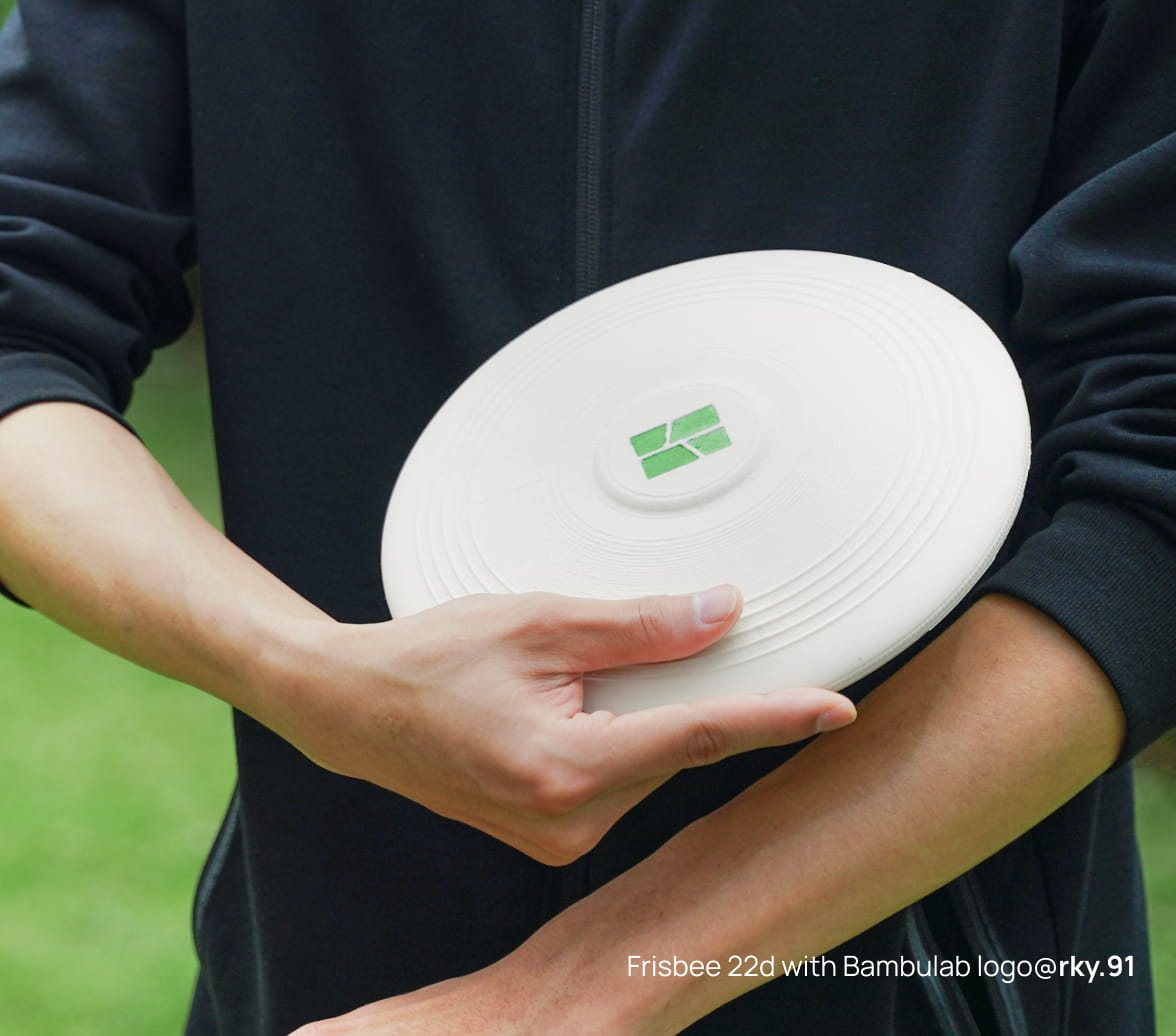
Bambu ASA Aero is a self-foaming material renowned for its exceptional
durability and toughness. Its heat-sensitive foaming allows for controlled model density, resulting in
feather-light print models. Additionally, it boasts extraordinary resistance to temperature, water, and UV rays.
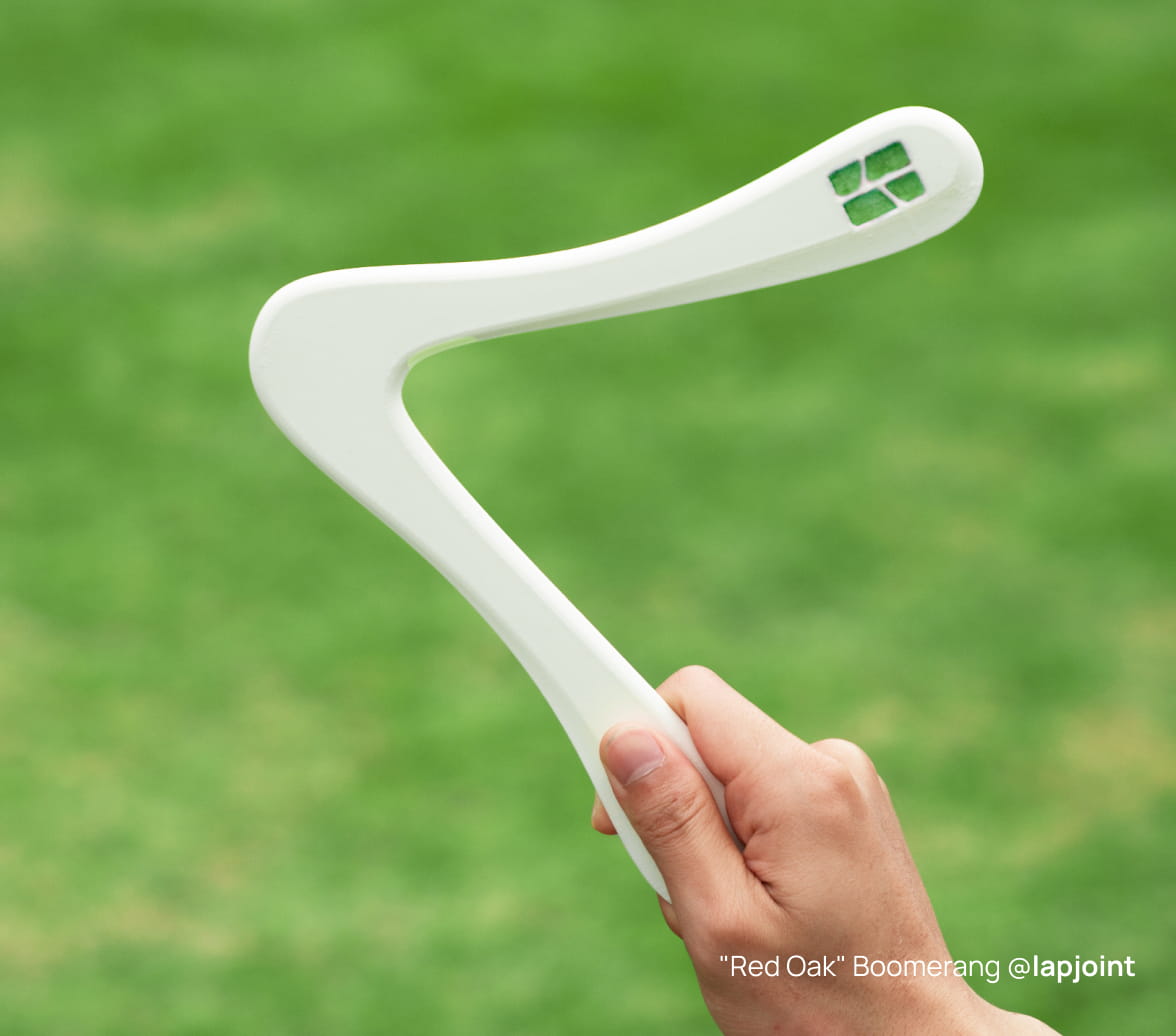
With these unique properties, it is ideal for printing long-lasting outdoor models and weight-sensitive
projects, such as RC planes.


PLA Aero
PLA Aero


Impact Resistance & Built to Last


Compared with other foaming filament, ASA Aero is tougher with higher layer strength, making it
more resistant to impact, collision, and falling, perfect for high-stress demanding applications.


asa aero filament asa aero filament


asa aero filament asa aero filament


Bambu ASA Aero

Bambu PLA Aero Wood PLA
Toughness (Impact Strength - XY)
32.0 kJ/m²

24.5 kJ/m² 7.9 kJ/m²
Layer Adhesion (Impact Strength - Z, Dry State)
3.4 kJ/m²

2.5 kJ/m² 1.1 kJ/m²
Layer Strength (Bending Strength - Z)
24 MPa

15 MPa 15 MPa


Ultra-lightweight, Controllable Density


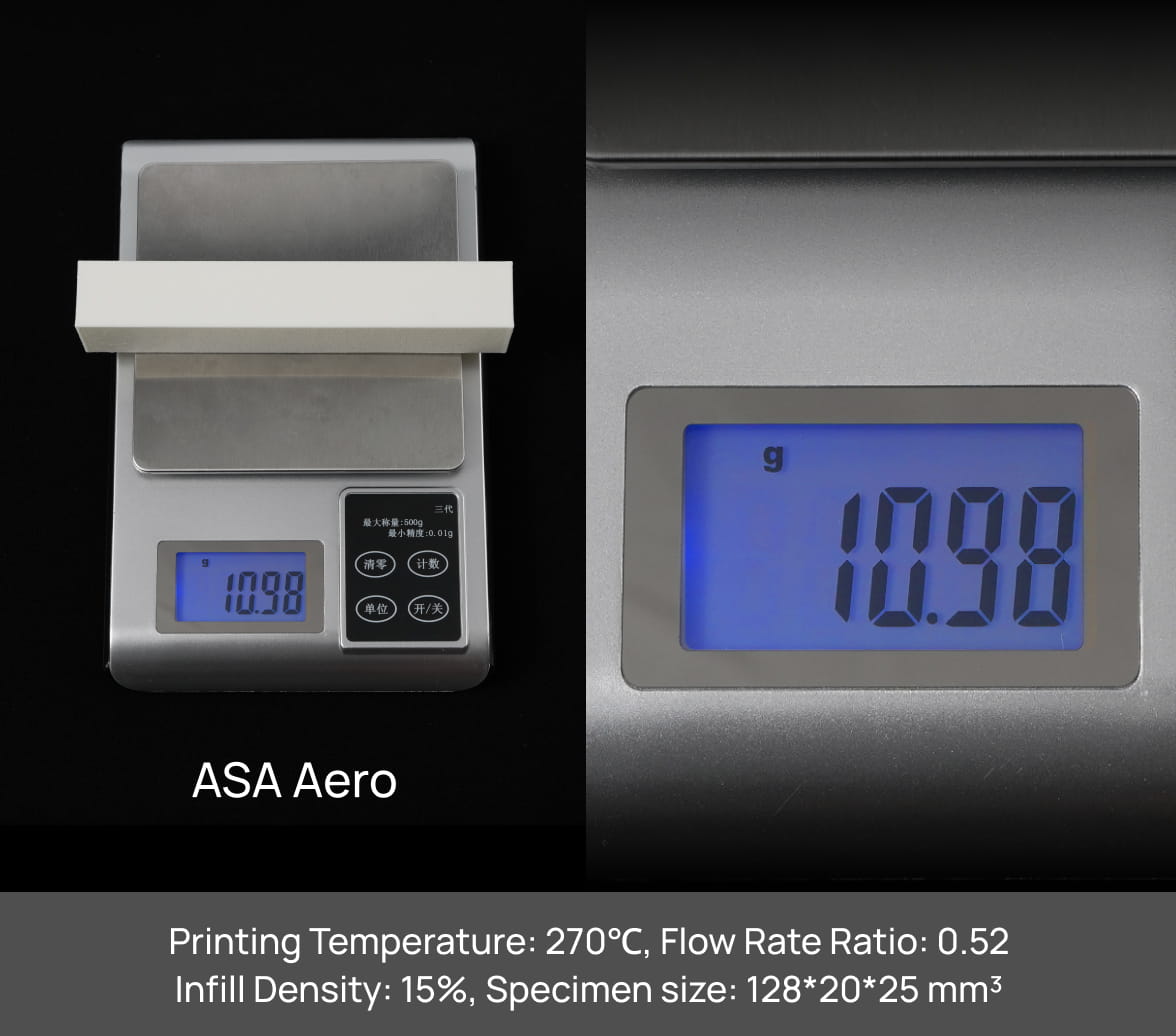
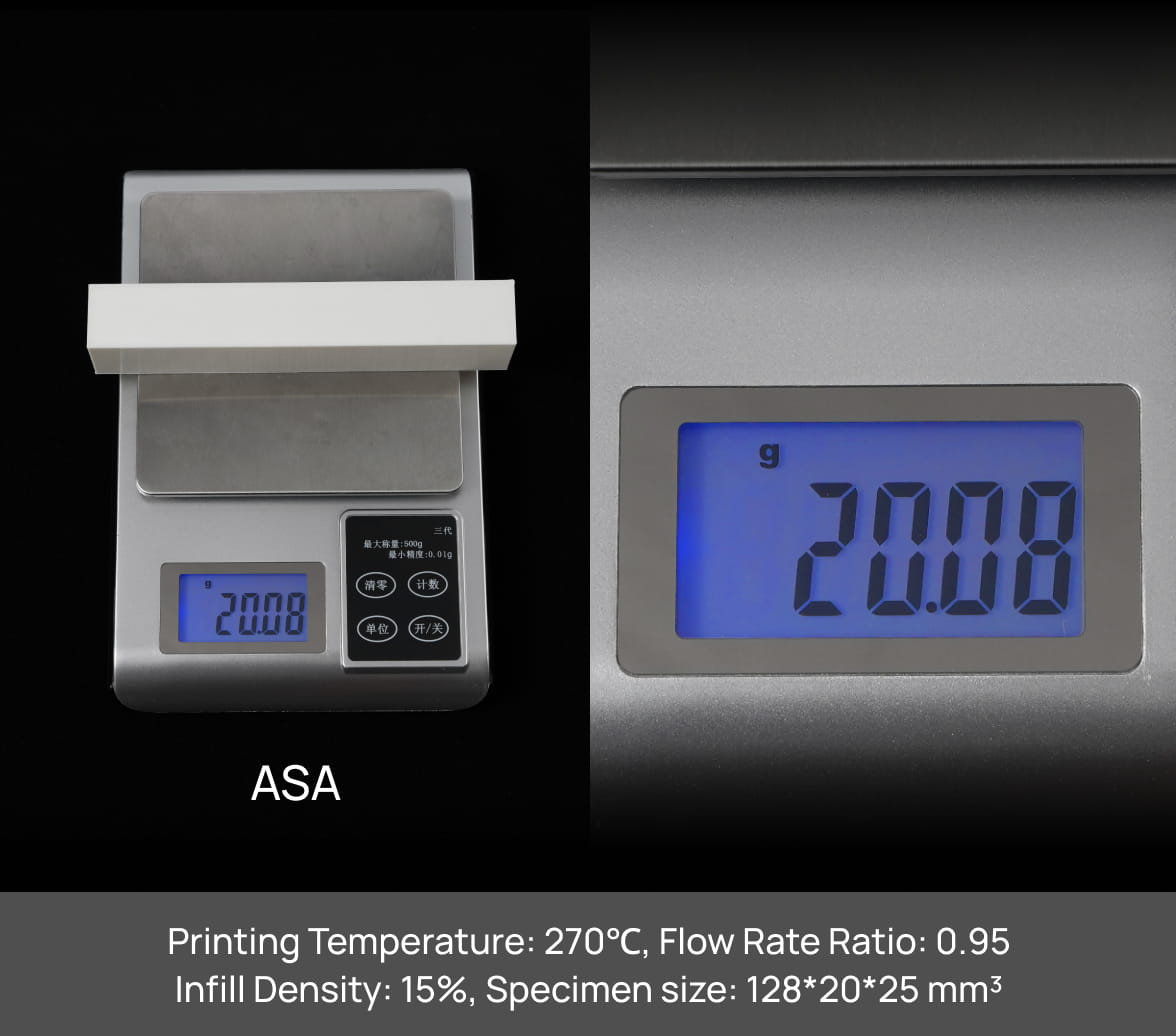
Only 50%-75% the density of regular ASA prints, ASA Aero is as light as feather, designed for
weight-sensitive objects, such as RC planes and unmanned aerial vehicles (UAVs). With controllable foaming
characteristic, ASA Aero achieves lower density of prints by increasing printing temperature or lowering flow
rate.



PLA Aero
PLA Aero


asa aero filament asa aero filament


PLA Aero
PLA Aero


asa aero filament asa aero filament


The average density of prints will vary with
changes in parameters such as actual printing temperature, flow rate ratio, printing speed, model size, wall
thickness and infill density.


Parameter Setting


Average Density

Printing Temperature Increases ↗ Decreases ↘
Printing Speed Increases ↗ Stable or Increases ↗
Flow Rate Ratio Increases ↗ Increases ↗
Model Size Increases ↗ Decreases ↘
Wall Thickness(Wall loops) Increases ↗ Increases ↗
Infill Density Increases ↗ Increases ↗


The relationship between the maximum foaming
rate, minimum print density, and printing temperature of ASA Aero.


Printing Temperature


Minimun Flow Rate Ratio


Maximum Volumetric Expansion Ratio


Maximum Foaming Rate


Minimum Prints Density

220 °C ~ 0.93 ~ 100% ~ 0% ~ 0.97 g/cm³
230 °C 0.90 106% 6% 0.92 g/cm³
240 °C 0.74 128% 28% 0.78 g/cm³
250 °C 0.60 158% 58% 0.61 g/cm³
260 °C 0.51 186% 86% 0.52 g/cm³
270 °C 0.45 211% 111% 0.46 g/cm³
280 °C 0.44 216% 116% 0.45 g/cm³

Specimen
Test: Nozzle Type: 0.4 mm; Printing Speed: 80 mm/s; Model size (L*W*H): 80*10*4 mm³ (the XY
direction)


The actual required flow rate
ratio and final model density may vary with different models.


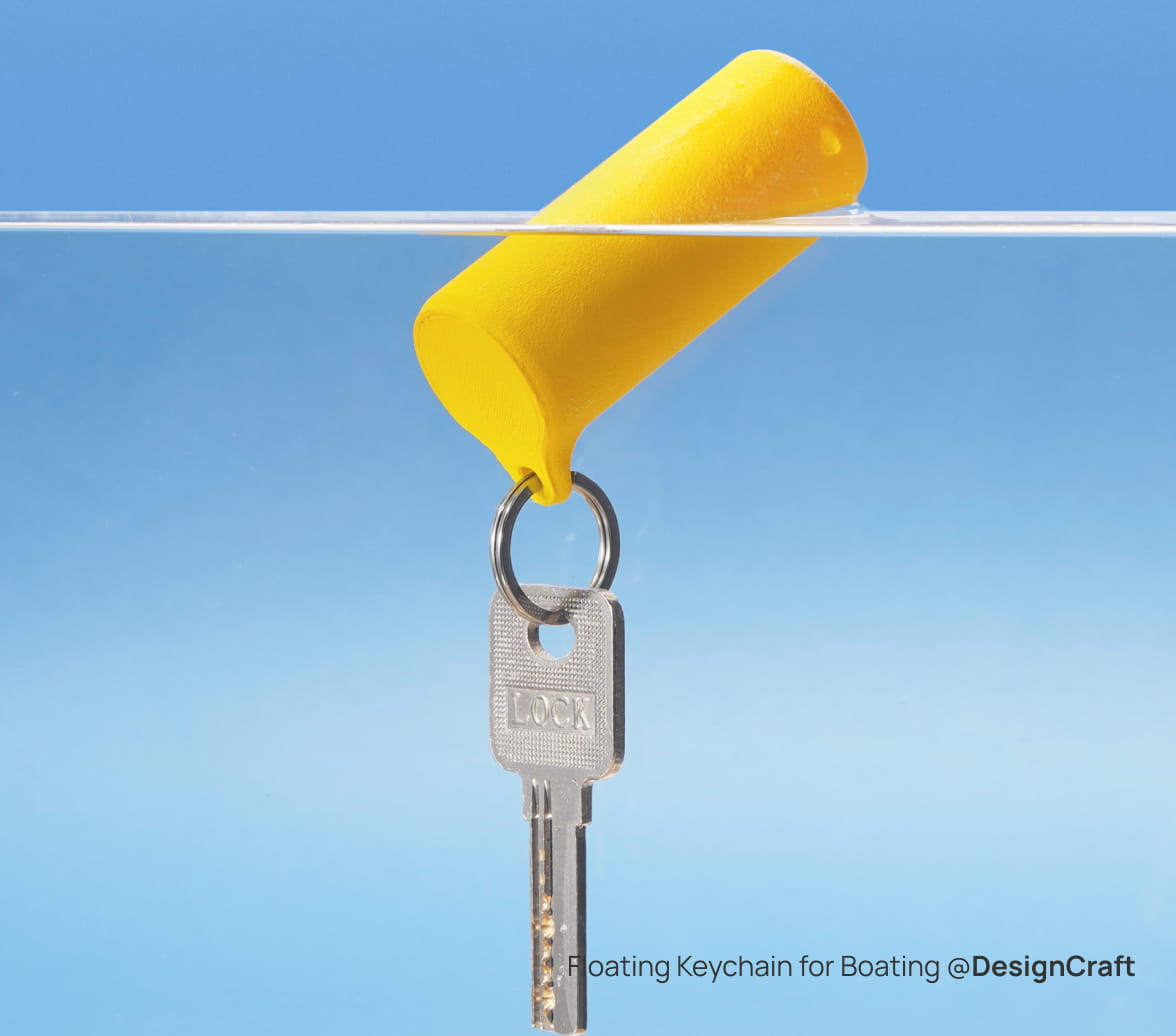
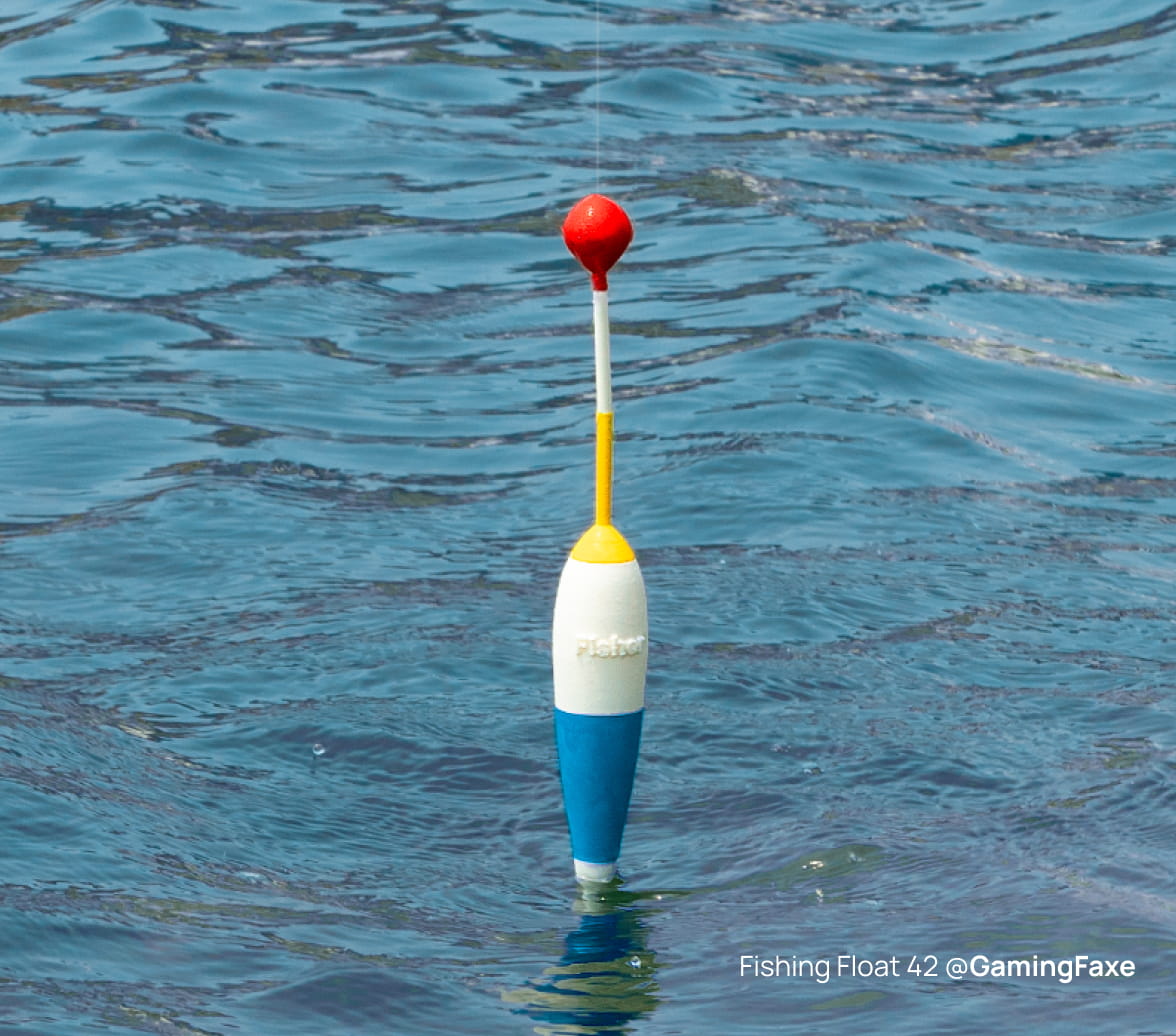
Ready for Harsh Environment & Outdoor


Compared with PLA Aero, the overwhelming performance in temperature, water, and UV
resistance makes ASA Aero stand out for long-lasting outdoor use and harsh environments.


asa aero filament asa aero filament


asa aero filament asa aero filament


Filament Type Bambu PLA Aero Bambu PLA Basic
Bambu ASA Aero

Bambu ASA
Heat Deflection Temperature / °C (0.45 MPa) 53 °C 57 °C
85 °C

100 °C


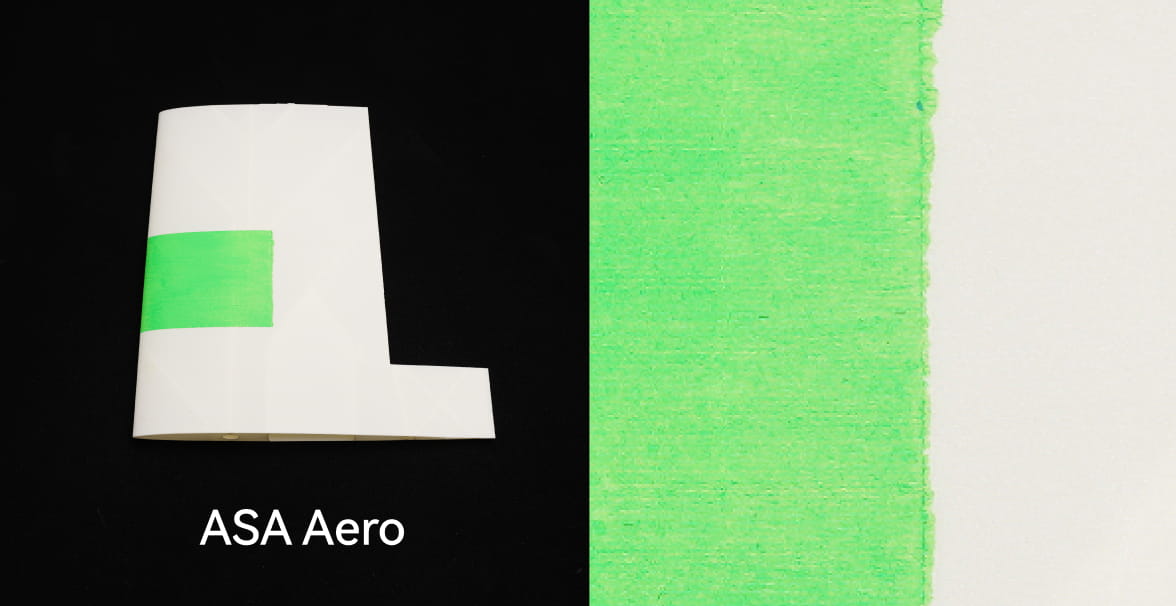
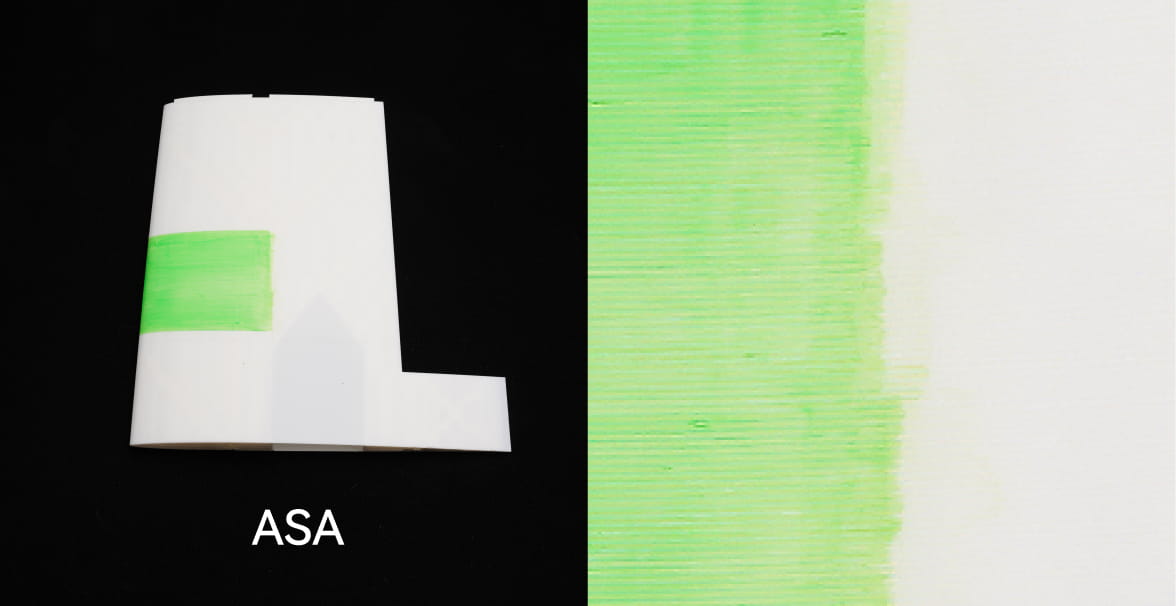
Matte Finish For Easy Coloring


Bambu ASA Aero provides an easy-to-color matte surface texture with better dyeing results
as compared with regular ASA.


asa aero filament asa aero filament


asa aero filament asa aero filament


Parameters Comparison


Learn more different
filaments comparison on Bambu Filament Guide >>


Bambu ASA
Bambu ASA Aero

Bambu PLA Aero
Printing Temperature 240 - 270 °C
240 - 280 °C

210 - 260 °C
Printing Speed < 250 mm/s
< 150 mm/s

< 180 mm/s
Flow Rate Ratio 0.93 - 0.97
0.45 - 0.80

0.5 - 0.8
Filament Density 1.05 g/cm³
0.99 g/cm³

1.21 g/cm³
Foaming Rate /
0 - 110%

0 - 120%
Volumetric Expansion Ratio 102%
100% - 210%

100% - 220%
Prints Density 1.03 g/cm³
0.46 ~ 0.97 g/cm³

0.55 - 1.05 g/cm³


Accessory Compatibility


Recommended Not Recommended
Build Plate Smooth PEI Plate, Textured PEI Plate Cool Plate SuperTack
Hotend Hotend with Hardened Steel Nozzle 0.4 mm

Hotend with Stainless Steel Nozzle 0.4 mm
Hotend with Hardened Steel Nozzle 0.6 mm / 0.8 mm

Hotend with Stainless Steel Nozzle 0.2 mm
Glue Bambu Liquid Glue
Glue Stick
/


ASA Hex Code Table


Color Hex Code Display
White #F5F1DD


RFID for Intelligent Printing


All printing parameters are embedded in RFID, which can be read through our AMS (Automatic Material System).
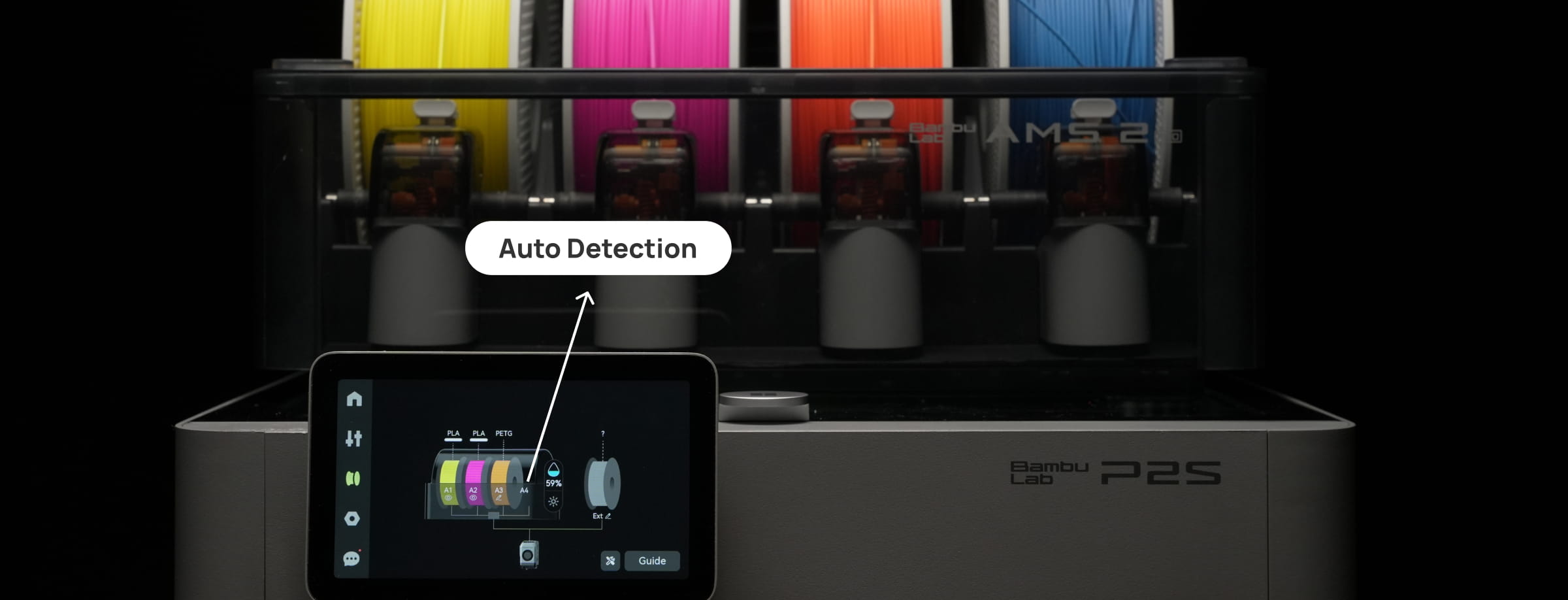

Load and print! No more tedious setting steps.


rfid rfid


Recommended Printing Settings
Drying Settings (Blast Drying Oven) 80 °C, 8 h
Printing and Keeping Container's Humidity < 20% RH (Sealed, with Desiccant)
Nozzle Temperature 240 - 280 °C
Bed Temperature (with Glue) 80 - 90 °C
Printing Speed < 150 mm/s


Physical Properties
Density 0.99 g/cm³
Vicat Softening Temperature 80 °C
Heat Deflection Temperature 85 °C
Melting Temperature 204 °C
Melt Index 1.56 ± 0.5 g/10 min


Mechanical Properties
Tensile Strength 32 ± 4 MPa
Breaking Elongation Rate 5.1% ± 1.6%
Bending Modulus 1510 ± 120 MPa
Bending Strength 58 ± 6 MPa
Impact Strength 32.0 ± 2.5 kJ/m²


Printing Tips


• Foaming ASA materials (ASA Aero) have high requirements
for material drying and parameter settings. Please carefully read ASA Aero Printing Guide before starting the printing process.


• Drying conditions: 80℃ for 8 hrs. ASA Aero is highly
sensitive to humidity. To achieve optimal printing performance, it is recommeded further drying
before use and after storage. For more details please refer to: Filament Drying Recommendations on
WIKI.


• To minimize warping, avoid printing large-sized high
infill density models. Use enclosed printers and ensure the build plate is properly applied with
glue for better print adhesion before printing. Set lower printing speed and higher heatbed
temperature. For more details please refer to: Common print quality problems and
solutions
on WIKI.


• Pungent and unpleasant odors may be released during
printing. Make sure your printer is placed in a well-ventilated area and use enclosed printers.


What's in the Box


Filament with Spool*1 & Desiccant*1


图片加载失败文案 图片加载失败文案

Package*1


Quick Info

Contact Information

Business Hours

Mon - Sat, 10 AM - 8 PM | Closed on Sunday

Call Us